ARC Raiders · combat · Frozen Trail / 2.1 review
ARC Raiders Hullcracker: Armor Plates vs Weak Points After the 2.0 Change
On this page
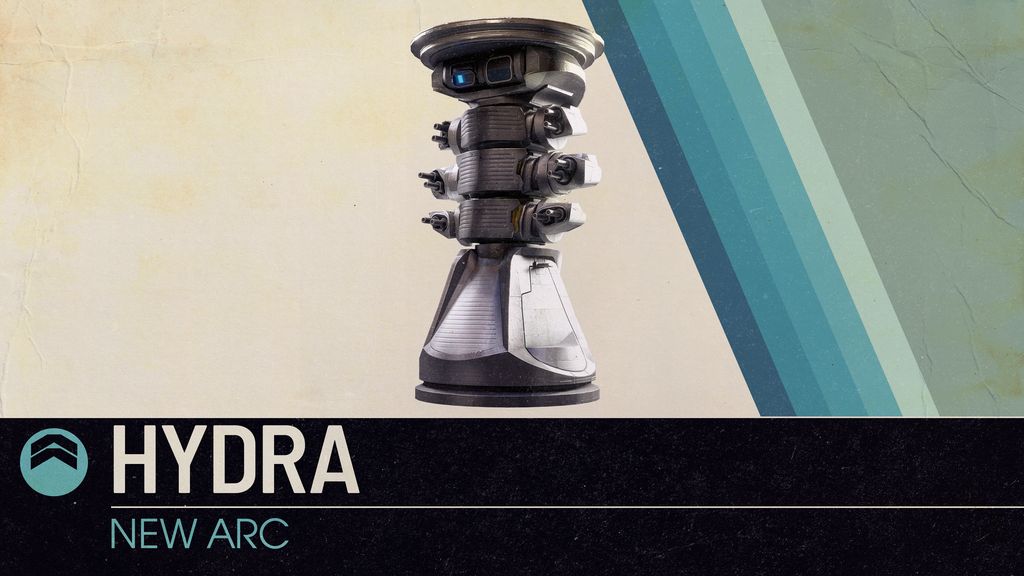
The 2.0 explosive-damage rework makes weapons such as Hullcracker stronger against ARC armor plates and weaker against fragile parts. The developer describes over 50% more plate damage and around 30% less damage to fragile parts. Do not turn that into a universal damage multiplier for every enemy surface.
Published October 18, 2026 · Official sources checked against the October 13 update
Decide what the shot is meant to accomplish: remove protective armor or finish an exposed part. A loadout can become better at the first job while becoming less efficient at the second. That is a reason to plan a follow-up tool, not simply carry more of the same ammunition.

What to do, in order
- Identify the part you are aiming at and the phase of the encounter. Separate an armor plate from an exposed weak point.
- Use the armor-breaking tool where its changed role is valuable. Avoid interpreting a hit on another surface as a clean comparison of plate damage.
- Plan who or what follows after exposure. Choose the second weapon and ammunition for that actual job rather than assuming the explosive keeps the same advantage.
- When comparing attempts, keep the enemy, part, range and build consistent. Record whether the part was already damaged before the test.
Choose the check that matches the problem
| Situation | What it means | Useful next decision |
|---|---|---|
| Protected part | Evaluate the armor-breaking role. | Do not compare its result with a shot at an already exposed target. |
| Fragile exposed part | Reassess the follow-up weapon. | The same update reduces explosive effectiveness on this target class. |
| Mixed or uncertain hit | Do not infer a complete damage formula. | First identify which part was actually struck. |
An arithmetic example is not the weapon’s damage table
If an old plate hit were represented by an illustrative 100 units, a change of over 50% would put the corresponding new comparison above 150. An old 100-unit fragile-part example with an approximately 30% reduction would instead be around 70. These are normalized comparisons explaining the direction of the developer’s change, not actual Hullcracker damage numbers.
A practical way to apply the rule
For a squad, assign one person the protective-plate job and agree on the exposed-target follow-up. Check ammunition before starting the encounter. A useful result is fewer wasted shots at a surface the current weapon no longer favors; it is not a guaranteed kill time against every ARC.
Common misreadings and failure checks
A buff should improve every shot
This change is explicitly target-part dependent.
A weak-point hit looked smaller than an old clip
That can match the changed explosive role. First compare version and target part.
The model looked incomplete in inventory
The 2.0 notes separately fix Hullcracker’s incomplete menu appearance. A display fix is not a damage statistic.
Sources and version
The rules above come from the linked developer publications. The check order, comparisons and planning examples are independent editorial guidance. Images are unchanged publisher media, not captures of a personal playtest; no drop rate, hidden formula or measured build performance is claimed.