Dota 2 · Axe · Initiator build
Axe Blink–Blade Mail build: turn one catch into a teamfight opening
On this page
Build the ability to reach a target, survive its response and keep it attacking you: Blink closes the gap, Berserker’s Call forces nearby enemies to attack, Blade Mail returns incoming damage, and Counter Helix adds close-range damage. Save enough mana for Culling Blade rather than spending everything on the entrance.
Prioritize Blink when you cannot connect; prioritize survival when you can reach enemies but die before your team follows. This is an initiation plan, not a fixed six-slot shopping list.
Mechanics reviewed October 17, 2026 · Item and skill values from Valve’s current English data
The core interaction



Call makes the target’s attack choice predictable for its duration. That supplies the incoming attacks Counter Helix needs and creates a window in which Blade Mail can punish damage. Armor helps Axe withstand physical attacks; reflected damage is calculated before reductions according to Valve’s item notes, so reducing the damage Axe takes does not simply erase the reflection calculation.
The damage channels are separate. Counter Helix deals pure damage; Blade Mail returns the received damage type. Treat enemy immunity to reflected damage as a reason to reassess the catch, not as something that buying more armor fixes.
Buy the missing part of the sequence
| Stage | Purchase decision | What it solves |
|---|---|---|
| Lane | Regen and boots; consider Phase Boots when movement through units and physical durability matter. | Keep access to experience and farm. Do not spend the initiation budget on a collection of items that leaves you unable to reach a target. |
| First major branch | Blink first if enemies stay out of Call range. Blade Mail first if fights already happen around you and return damage will matter. | Access versus punishment. Neither item does the other’s job. |
| Survival problem | Consider Vanguard against repeated attack pressure; compare the delay to Blink against whether you can farm safely without it. | Staying in the game, rather than committing to a universal rush. |
| Core assembled | Blink + Blade Mail, then a defensive answer to the actual fight. | A reliable first contact followed by enough time for allies to act. |
| Spells stop your combo | Consider Black King Bar and decide its activation before jumping. | Protecting your action window. It does not restore a damage-disabled Blink or solve every immunity-piercing effect. |
| Team under attack pressure | Consider Crimson Guard for nearby allies; consider Shiva’s Guard for armor, its slow and attack-speed reduction. | A team-defense branch. Slowing enemy attacks can also reduce how many attacks feed Helix: survival may matter more than maximizing spins. |
Vanguard’s block chance is not a promise of surviving a specific burst. Likewise, buying Blade Mail does not force an enemy outside Call to continue hitting you. Choose purchases around the enemy’s response and your team’s follow-up.
Skill priorities and talent decisions
For this plan, invest in Counter Helix to improve the value of taking attacks, and in Call to improve the initiation window. Take Battle Hunger when lane pressure or a retreating target justifies it, rather than spending mana automatically before every jump. Take Culling Blade when available if you are building around its finishing and reset function. Adjust early points to the lane; do not interpret this priority as an unchangeable level-by-level order.
Choose talents by the failure you are fixing. The Call armor branch supports surviving the attacks you force. The Counter Helix damage branch supports a catch that already stays alive and generates spins. At the later Call-radius versus Culling-damage decision, range helps include separated targets, while extra Culling damage helps a finishing window. Check your current talent tree before selecting; these are functional branches rather than a claim that one choice wins every matchup.
Aghanim’s Scepter changes Helix: Valve describes Axe’s own attacks advancing its counter and the removal of its cooldown, alongside a stacking attack-damage reduction debuff. That is a sustained-contact upgrade. It cannot replace the Blink needed to start contact in the first place.
Execute the first catch
- Check access. Blink must be available, with a valid landing point that puts the intended enemies inside Call’s radius. Damage from an enemy hero or Roshan disables Blink for 3 seconds.
- Check follow-up and resources. Allies need to be able to use the opening. Keep the mana for Call, Blade Mail and the finishing spell.
- Prepare protection. If an instant enemy response would stop you acting, decide whether defensive activation is needed before entering.
- Land and Call. Position around the units you actually need to control. Landing nearby is not the same as including every target in Call.
- Make Blade Mail cover incoming damage. Activate it around the commitment, rather than after the important damage has already arrived. Activating too early also wastes part of its window.
- Finish or disengage. Use Culling Blade when its damage can secure the kill. Do not assume it resets merely because you pressed it; read the enemy’s remaining health and effects.
What the build changes: reproducible checks
These are arithmetic checks using Valve’s retrieved fields, not a promised match outcome.
- Two-item budget: Blink 2250 + Blade Mail 2400 = 4650 gold. Boots, starting supplies and other purchases are additional; this is not a target completion time.
- Mana reserve: rank-four Call 120 + Blade Mail 25 + rank-one Culling Blade 100 = 245 mana. Add BKB’s 50 if used: 295. Different spell ranks change the total.
- Catch radius: base Call 315 + its radius talent 85 = 400 units, before other modifiers. This is a radius increase, not a guarantee of catching a moving target.
- Different windows: Blade Mail’s 5.5 seconds minus rank-four Call’s 3 = 2.5 seconds. The remainder is not extra taunt time; targets can change actions after control ends.
Helix’s base rank-four attack threshold is 4, but do not estimate fight damage by multiplying an assumed attack rate alone. Which attacks land, existing counter state, cooldown, additional targets and upgrades all affect the result.
When the plan fails
You have damage items but cannot start
Stop adding punishment to a target you cannot reach. Preserve Blink access, use vision and choose an approach that does not expose you to chip damage before entry.
You catch someone but instantly die
Check the damage types and enemy spells, not just the number of heroes caught. A narrower catch with follow-up can be more useful than jumping into every enemy without protection.
The enemy activates reflected-damage immunity
Blade Mail’s contribution is no longer the reason to expect that target to die. Read the current BKB description and enemy effects; evaluate Call’s control and your allies’ damage separately.
Your first victim survives Culling Blade
Account for remaining health and protections. A failed finishing attempt does not supply the kill reset you planned the next action around. Culling Blade reset troubleshooting →
Sources and version notes
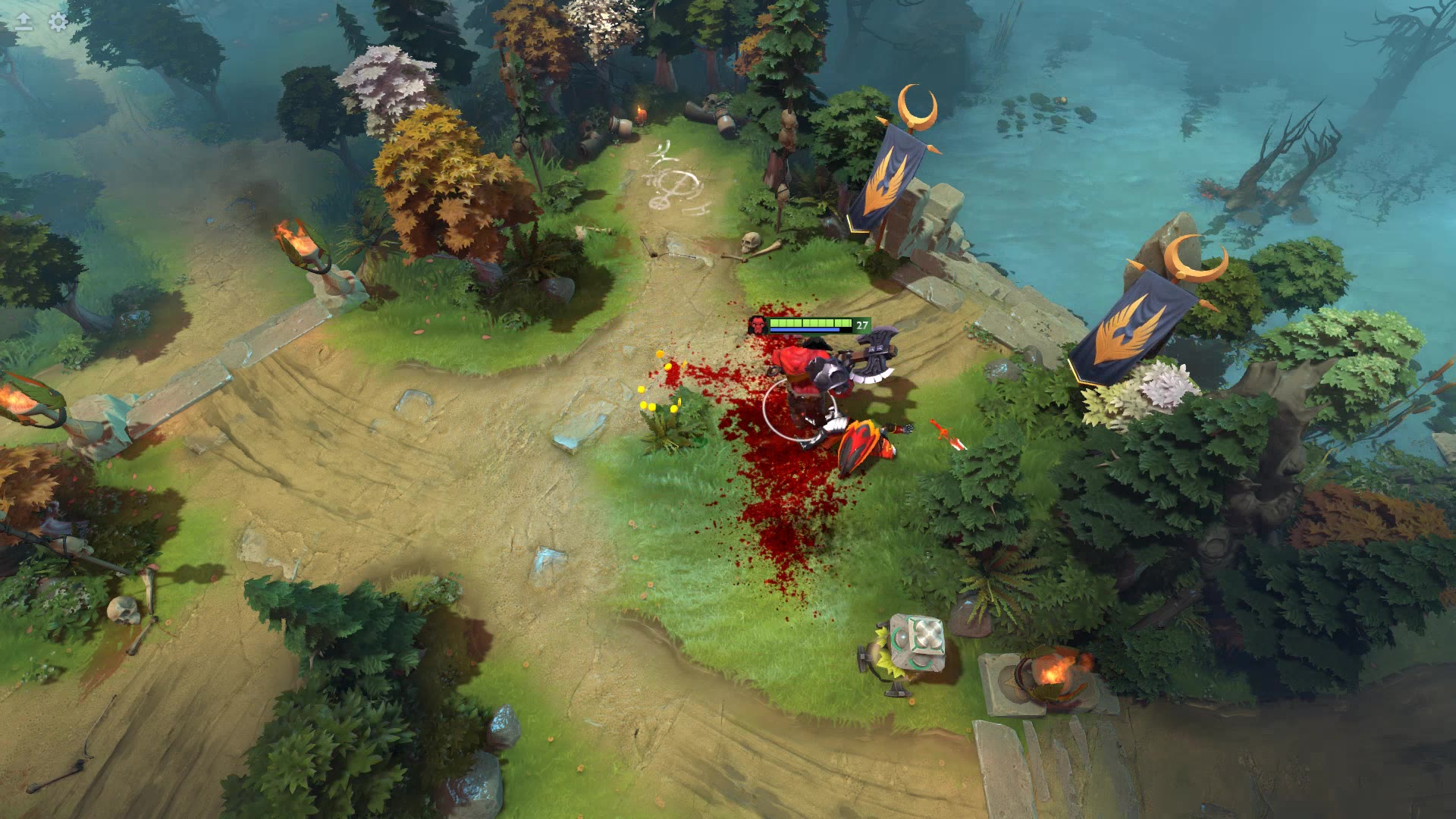
Mechanics and every numeric input above come from Valve’s Axe data and Valve’s item records for Blink, Blade Mail, BKB, Vanguard, Phase Boots, Crimson Guard and Shiva’s Guard, retrieved October 17, 2026. Images and demonstration footage are Valve hero/item media. The purchase branches and execution checklist are editorial recommendations, not copied match results or a ranked win-rate claim.