Dota 2 · Warlock · Upheaval
Warlock Upheaval feels weak at first: how the slow ramps up
On this page
Upheaval becomes stronger as Warlock channels. Valve explicitly bases the slow increase on elapsed channel time, not how long each enemy has individually stood inside it.
What to do next ↓ · Find the failure cause ↓Mechanics source checked October 17, 2026 · Not match-tested · Practical recommendations are editorial, not guaranteed outcomes.

Identify this ability in your client: Upheaval. Icon © Valve. Official Warlock page.
Casting as an enemy leaves the area may produce only the early, weaker portion. Understand the ramp before judging the spell from a single brief crossing or assuming every new entrant starts at zero.
What to do, in order
- Choose an area enemies have a reason to remain in or cross, rather than a location they have already left.
- Preserve the channel when you need the slow to ramp. Moving to a different action can trade away the remaining effect.
- Observe the elapsed channel time as new enemies enter. Do not reset your mental slow timer for each entrant.
- If interrupted, account for the lost future ramp rather than expecting the ability to keep growing without the channel.
- After enemies leave, recognise that the listed lingering slow is separate from being continuously inside the area.
Match the symptom to the cause
A very brief cast barely held anyone
The slow grows over time. An early end does not demonstrate the maximum slow shown by the tooltip.
A late entrant was slowed strongly
That is consistent with the official channel-time basis. The spell does not require each entrant to stand inside from the beginning.
I was interrupted and expected the full effect anyway
A maximum channel duration is not a guarantee that every cast reaches it. Check how much of the channel actually occurred.
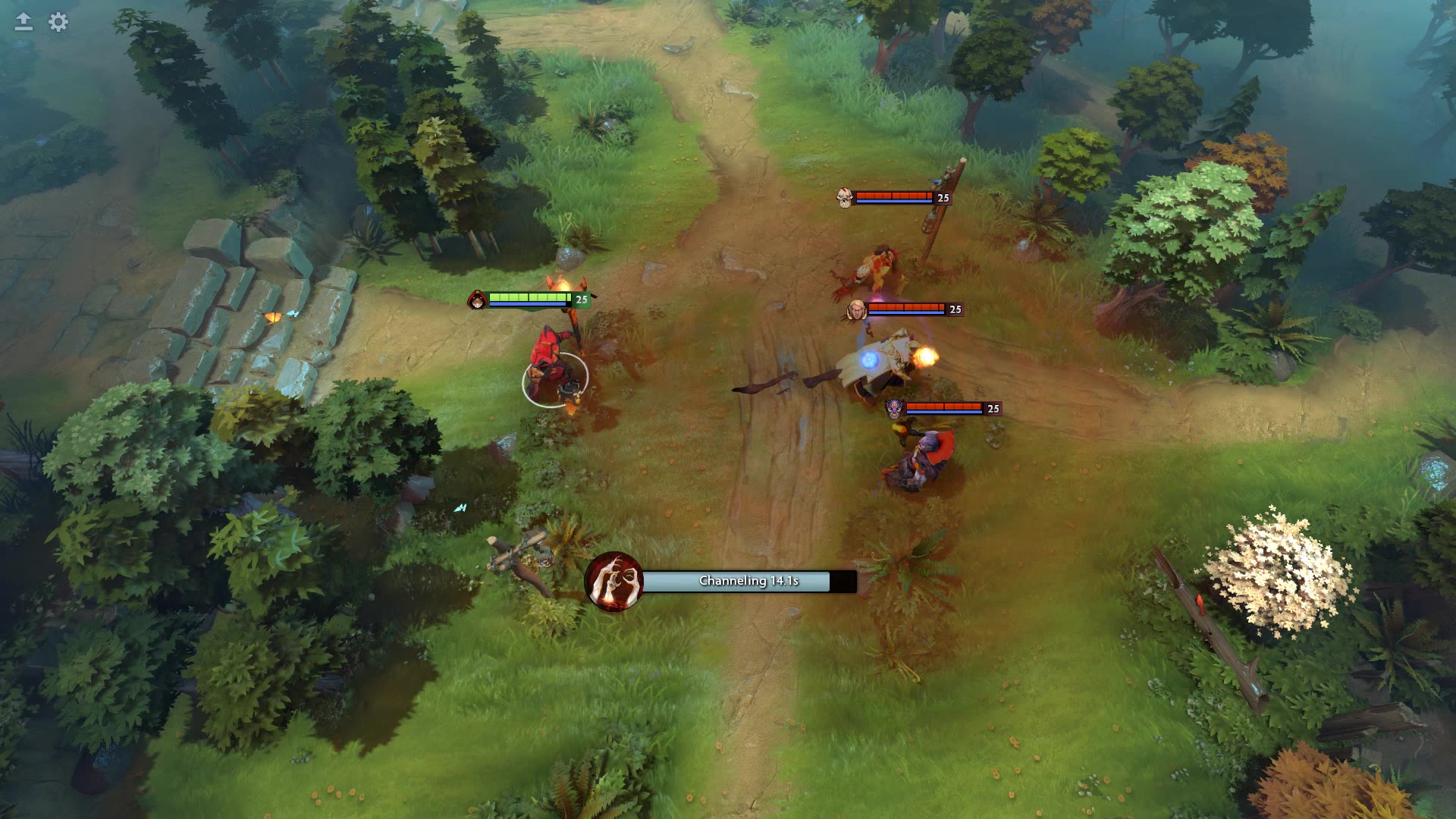
See the ability in the game
Apply it to one concrete situation
Compare an enemy entering immediately after the cast with one entering after Warlock has already channeled for several seconds. The second enemy meets a more developed field; you should not restart the ramp calculation from the moment that enemy entered.
Current base tooltip values
Values below are the unmodified fields in Valve’s dated English ability data. Slash-separated entries are listed level values, not a recommended skill build. Read the field label: damage, range, duration and percentages have different meanings. Upgrades and modifiers can change your client’s values.
| Tooltip field | Listed base value(s) |
|---|---|
| Mana cost | 100 |
| Cooldown (seconds) | 45 / 40 / 35 / 30 |
| RADIUS | 575 / 600 / 625 / 650 |
| SLOW PER SECOND | 11 / 14 / 17 / 20% |
| MAX SLOW | 55 / 70 / 85 / 100% |
| DAMAGE PER SECOND | 10 |
| MAX DAMAGE | 35 / 60 / 85 / 110 |
| MAX CHANNEL DURATION | 10 / 12 / 14 / 16 |
Limits that matter
Talents and Shard can add separate effects. The base maximum slow and channel duration depend on skill level; this page does not claim that one universal timing captures every upgraded cast.
Related questions
Is this an instant full-strength slow?
No. The description says it grows stronger while channeled.
Does the slow vanish the instant someone leaves?
The description lists a lingering duration after leaving or after the spell ends. Check the live value rather than assuming an immediate reset.
Sources and review date
Valve’s English Warlock ability data, retrieved October 17, 2026, supplies the mechanics and numeric fields used here. Valve’s official hero page supplies the ability identity and official presentation. Our diagnostic sequence and worked situations are independently written explanations, not copied match reports. No ranked win-rate, personal playtest or current item-build claim is made.