Dota 2 · Chaos Knight · Build decisions
Chaos Knight Build: Armlet, Echo Sabre, Phantasm and Reality Rift
On this page
- Build the next useful function, not a fixed six-slot list
- Cast order and the commitment
- Skill priorities for this plan
- Talent branches: choose the failure you need to solve
- What the interaction actually changes
- Reserve mana for the whole sequence
- When the build fails, change the right part
- Sources, version and recommendations
Use Armlet and an appropriate attack purchase to support a short, target-focused commitment; create Phantasm when its copies can contribute, then use Reality Rift to bring the attack group onto the chosen unit. Do not treat the longest Chaos Bolt stun and the highest Bolt damage as one guaranteed roll.
Published October 18, 2026 · Valve hero and item data retrieved October 17, 2026
Chaos Knight’s damage plan is not just pressing the ultimate whenever it becomes available. It requires a useful target, a way to bring the copies into the attack and enough resources for the control sequence. This route separates those requirements from the choice of another attractive strength item.
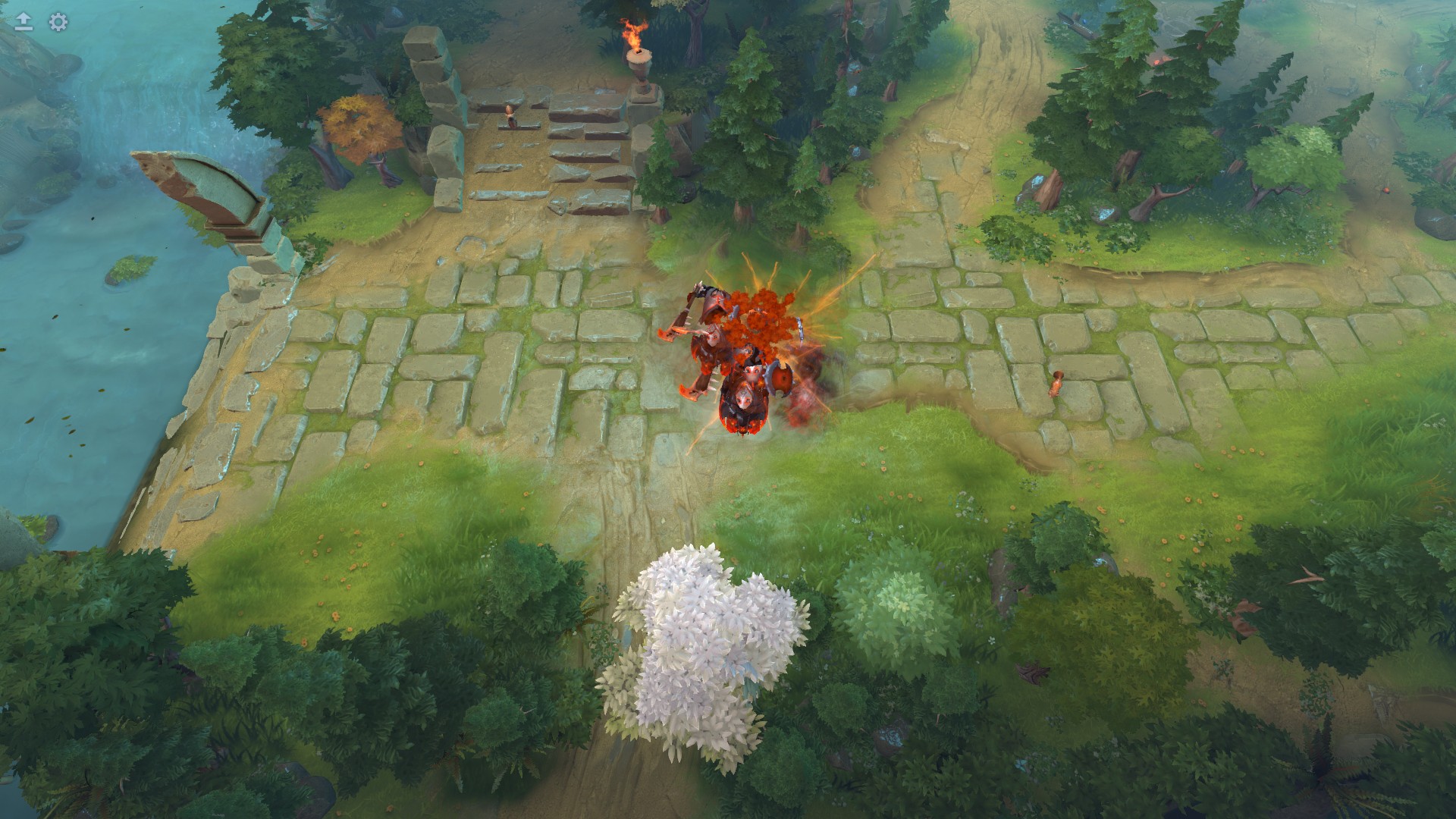
Build the next useful function, not a fixed six-slot list
| Stage | Proposed purchase | Decision before buying |
|---|---|---|
| Lane | Boots, recovery and control mana | A successful Rift opportunity is irrelevant if Bolt cannot also be cast. |
| Active fighting | Armlet with deliberate health management | The item drains health while active; a toggle is not protection from incoming damage. |
| Attack access | Echo Sabre if its melee double-attack and slow answer the next engagement | Do not budget every illusion as receiving a separate free copy of each item passive. |
| Protection or durability | BKB when disruption prevents the entry; compare later strength and armor choices | More hero health alone does not make the copies immune to their counters. |
Cast order and the commitment
- Decide whether the next fight gives the Phantasm copies a useful job. Avoid using a major cooldown solely because it is ready while the intended target is unavailable.
- Prepare the active fighting state, create the copies and use the available control to organize the target commitment. Reality Rift includes the nearby phantasms in its interaction.
- Spend the attack window on the controlled target, then reassess the next Rift and the survival of the real hero rather than assuming the copies will win independently.
Skill priorities for this plan
Build the lane around the control and repeated attacks that can actually connect. Chaos Bolt has a variable result; Reality Rift supplies repositioning and armor reduction, while Chaos Strike provides a separate attack interaction. Keep the ultimate’s increasing mana burden in the plan as it levels.
Talent branches: choose the failure you need to solve
| Tier | Current alternatives | Purpose |
|---|---|---|
| 10 | Chaos Strike lifesteal / Rift pull distance | Sustain on connected attacks versus bringing a target closer. |
| 15 | Bolt cooldown / strength | Repeated control versus the strength-oriented fighting plan. |
| 20 | Bolt stun duration / Rift piercing interaction | A longer control branch versus a different target-access rule. |
| 25 | Chaos Strike chance / Phantasm incoming damage | More critical opportunities versus more durable copies. |
These are decision branches from the reviewed talent labels. Exact values can change; inspect the current selection panel before committing the point.
What the interaction actually changes
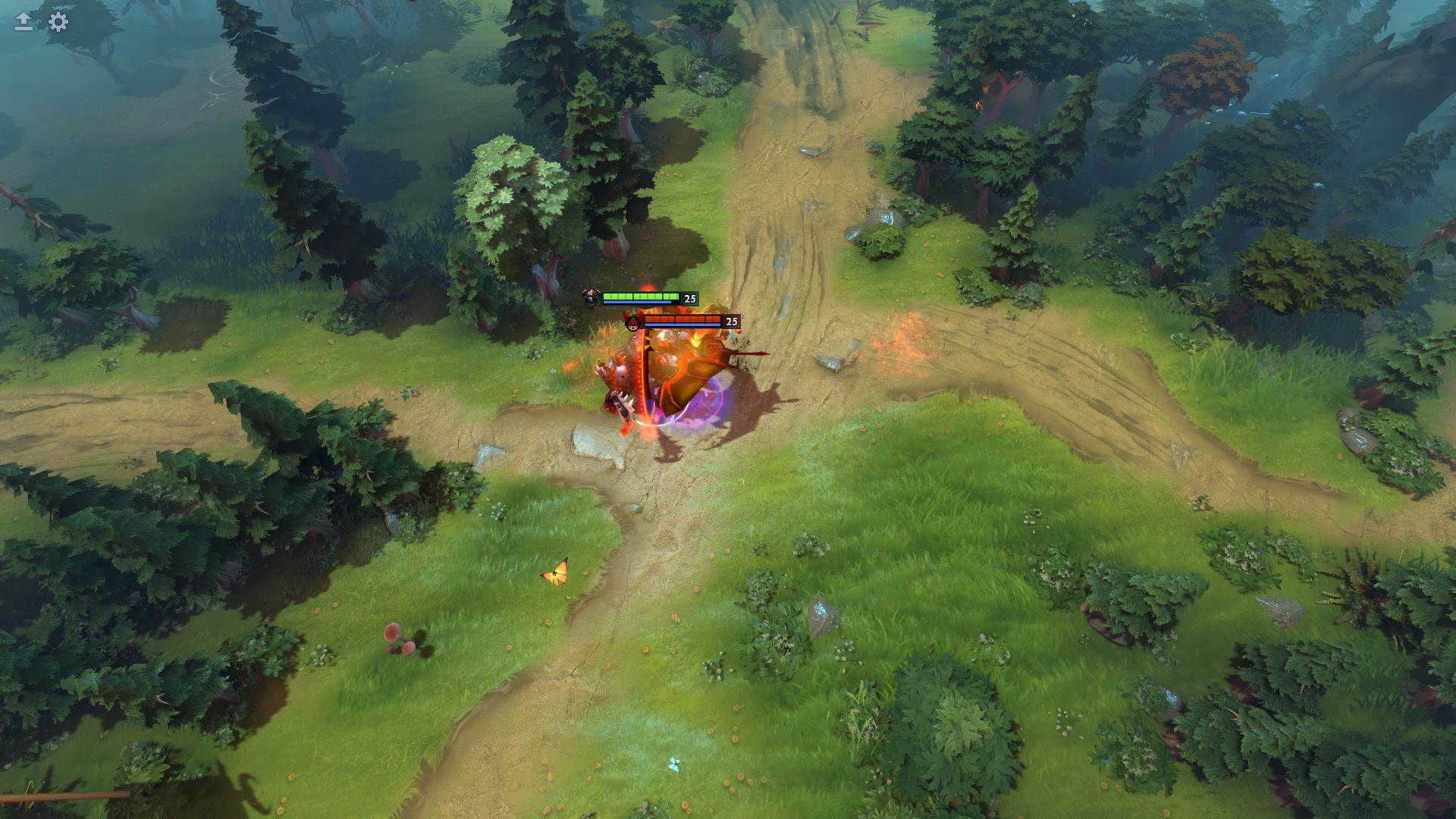
Valve’s Bolt note says its damage and stun duration are inversely related. Plan around a variable control result, not the simultaneous maximum of both. Reality Rift’s reviewed armor reduction reaches 7 at rank 4; that is an armor change, not a fixed percentage damage increase against every target.
Reserve mana for the whole sequence
| Cast or item | Listed mana cost |
|---|---|
| Chaos Bolt | 110 |
| Reality Rift | 50 |
| Phantasm | 300 |
| Black King Bar | 50 |
110 + 50 + 300 + 50 = 510 mana. Rank-3 Phantasm, one Chaos Bolt, Reality Rift and BKB require this raw subtotal. Armlet and Echo Sabre do not add an active mana cost in this list. A second Bolt or Rift needs an additional reserve.
This is a sum of listed costs before mana-cost modifiers, regeneration or omitted actives, not a prediction of your exact displayed mana after the fight.
When the build fails, change the right part
My calculation used maximum stun and maximum damage
Those are not a single guaranteed Bolt outcome.
The hero attacks but the copies are not contributing
Check the actual group and target interaction rather than buying another item first.
I can cast Phantasm but not the rest
Higher ultimate ranks make checking only the ultimate icon especially misleading.
Sources, version and recommendations
Mechanics, ability costs and talent labels: Valve’s English Chaos Knight data. Item functions and costs: Black King Bar; the complete item snapshot is retained with this guide’s editorial evidence. Retrieved October 17, 2026.
The purchase order, skill priorities and talent decisions are independent editorial recommendations. Official demonstration images do not prove this item route won a match. No fixed purchase minute, win rate, guaranteed kill or personal playtest is claimed.
Compare the Sven cast-order plan or browse all Dota 2 guides.