Dota 2 · Phantom Assassin · Build decisions
Phantom Assassin Build: Battle Fury vs Desolator, BKB and the Jump Window
On this page
- Build the next useful function, not a fixed six-slot list
- Cast order and the commitment
- Skill priorities for this plan
- Talent branches: choose the failure you need to solve
- What the interaction actually changes
- Reserve mana for the whole sequence
- When the build fails, change the right part
- Sources, version and recommendations
Choose Battle Fury when you have a realistic farming window; choose an earlier fighting purchase when the next engagement cannot wait. Add BKB before control repeatedly prevents your Phantom Strike attacks. Desolator supports physical pressure, but none of these purchases guarantees a critical strike on the first hit.
Published October 18, 2026 · Valve hero and item data retrieved October 17, 2026
This plan is for a physical carry whose problem is converting a short attack opportunity into useful damage. It separates three purchases that are often treated as a compulsory shopping list: farming acceleration, damage against the chosen target, and protection long enough to attack.
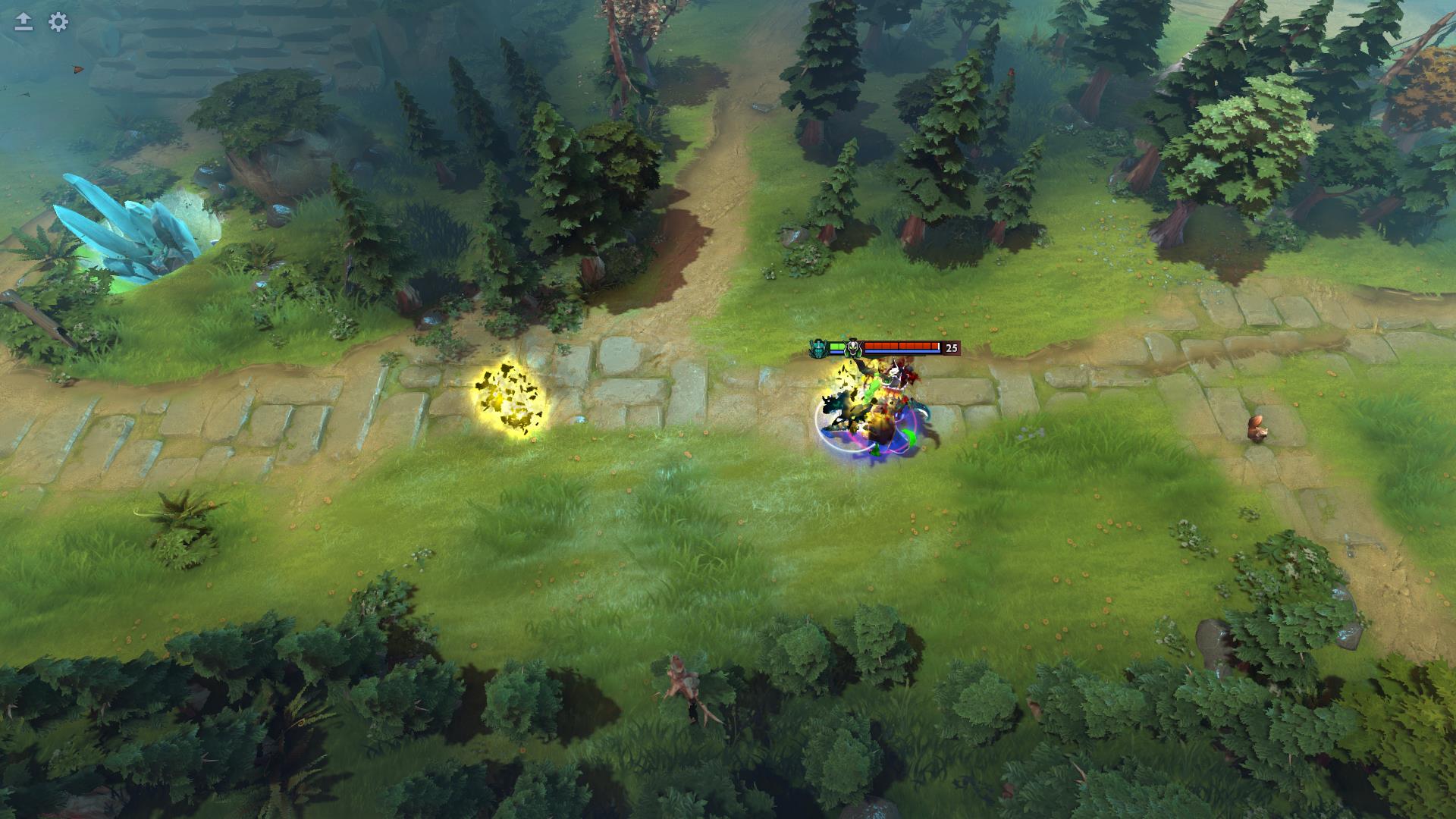
Build the next useful function, not a fixed six-slot list
| Stage | Proposed purchase | Decision before buying |
|---|---|---|
| Lane | Power Treads and enough recovery to remain productive | Do not delay basic lane survival just to hold a large amount of gold. |
| Growth branch | Battle Fury if you can actually use a farming interval | Its melee cleave is an economic tool; it does not stop enemy disables. |
| Fight branch | Desolator or protection according to the immediate obstacle | Armor pressure helps connected attacks. BKB helps against applicable spell disruption. |
| Later commitment | Choose catch or sustain after diagnosing the target | Abyssal Blade addresses a different problem from Satanic; neither is a free extra slot. |
Cast order and the commitment
- Inspect the actual target and the disables that can stop the entrance. Use Blur for the approach where appropriate, rather than treating it as unconditional invisibility next to enemy heroes.
- Use Dagger for its slow and ranged attack interaction, then Phantom Strike when you can spend the attack-speed window on the intended unit.
- Use the required protection before an avoidable disable removes the window. If the target becomes unavailable, reassess rather than spending the remaining resources on a bad chase.
Skill priorities for this plan
Give Dagger enough investment to support lane access and useful damage, then add Phantom Strike levels when repeated jumps and attack windows matter. Keep access to Blur rather than confusing active Blur with the separate Immaterial evasion ability in the current data. Take the ultimate at normal opportunities; an old guide’s different ability layout is not a reason to skip checking the current panel.
Talent branches: choose the failure you need to solve
| Tier | Current alternatives | Purpose |
|---|---|---|
| 10 | Phantom Strike duration / Dagger cooldown | Longer connected attack windows versus more frequent ranged interactions. |
| 15 | Immaterial evasion / Dagger damage | Incoming attack pressure versus ranged damage contribution. |
| 20 | Phantom Strike cast range / attack speed | Reaching the target versus doing more after reaching it. |
| 25 | Coup de Grace chance / Triple Strike Dagger | More critical opportunities in attacks versus broader Dagger pressure. |
These are decision branches from the reviewed talent labels. Exact values can change; inspect the current selection panel before committing the point.
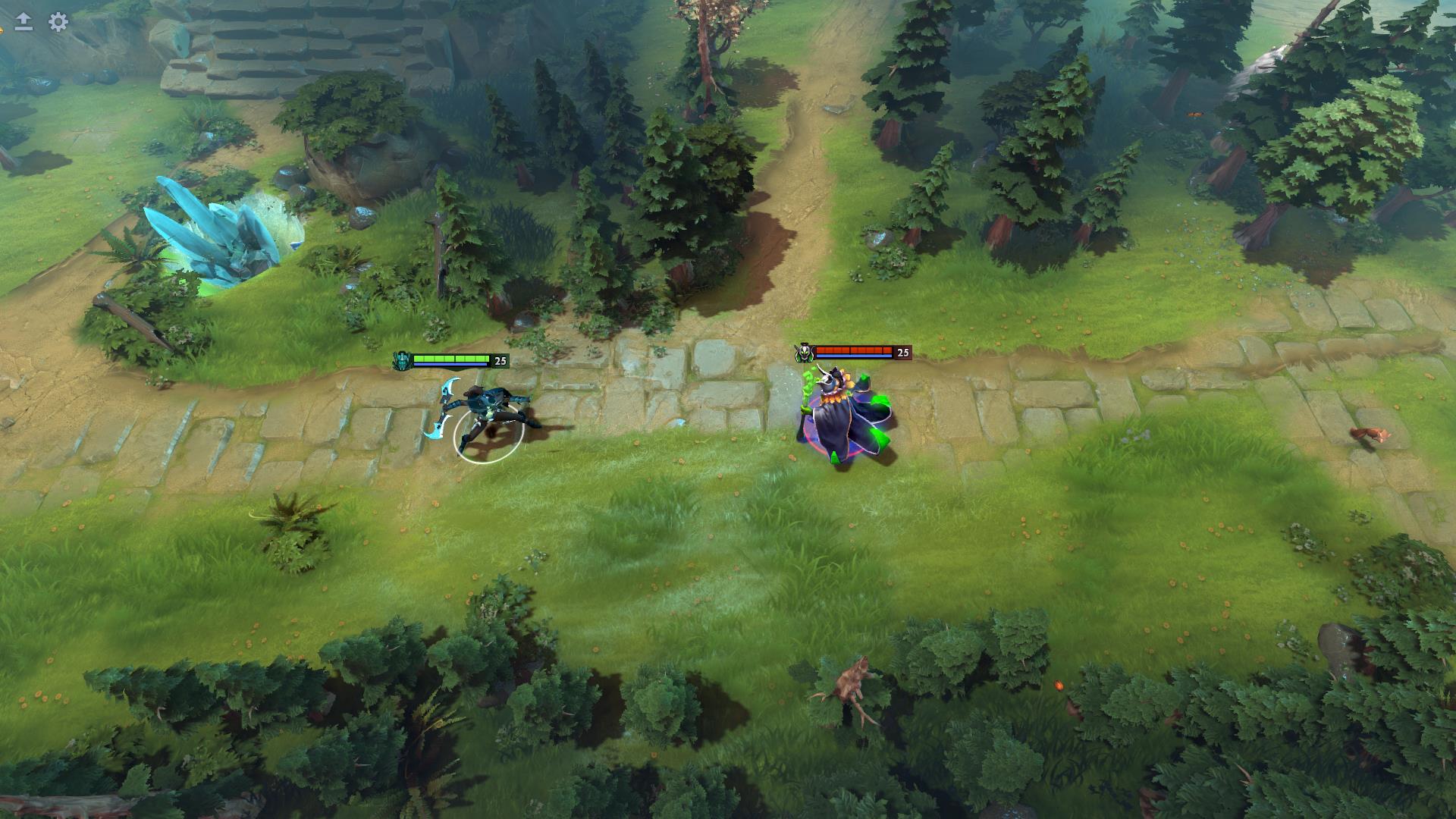
What the interaction actually changes
Dagger can apply attack effects, while Phantom Strike supplies a brief attack-speed increase. Desolator is therefore a way to support physical pressure rather than a substitute for access. Battle Fury can improve clearing, but its cleave description does not promise an immediate hero kill. Make the next purchase answer the next constraint.
Reserve mana for the whole sequence
| Cast or item | Listed mana cost |
|---|---|
| Stifling Dagger | 30 |
| Phantom Strike | 50 |
| Blur | 50 |
| Black King Bar | 50 |
30 + 50 + 50 + 50 = 180 mana. The resulting budget buys one Dagger, one rank-4 jump, Blur and BKB. It does not reserve a second jump, another Dagger or a late-game active. Add those costs before committing.
This is a sum of listed costs before mana-cost modifiers, regeneration or omitted actives, not a prediction of your exact displayed mana after the fight.
When the build fails, change the right part
Battle Fury is finished but fights still fail
Ask whether the team needed an earlier fighting or protection purchase. Faster clearing and safe access are separate results.
The first jump did not crit
Coup de Grace uses Deadly Focus in the reviewed description. Do not budget a kill around an unconditional first-hit critical.
Evasion did not keep me alive
Immaterial concerns attacks; it is not a complete answer to all spell damage, control or accuracy effects.
Sources, version and recommendations
Mechanics, ability costs and talent labels: Valve’s English Phantom Assassin data. Item functions and costs: Black King Bar; the complete item snapshot is retained with this guide’s editorial evidence. Retrieved October 17, 2026.
Chinese-language build discussion supplied a topic lead only; its old values and wording are not reused.
The purchase order, skill priorities and talent decisions are independent editorial recommendations. Official demonstration images do not prove this item route won a match. No fixed purchase minute, win rate, guaranteed kill or personal playtest is claimed.
Compare the Sven cast-order plan or browse all Dota 2 guides.