Rust PC · Industrial automation
Rust Industrial Combiner: Merge Input Routes Without Creating a Sorting Loop
On this page
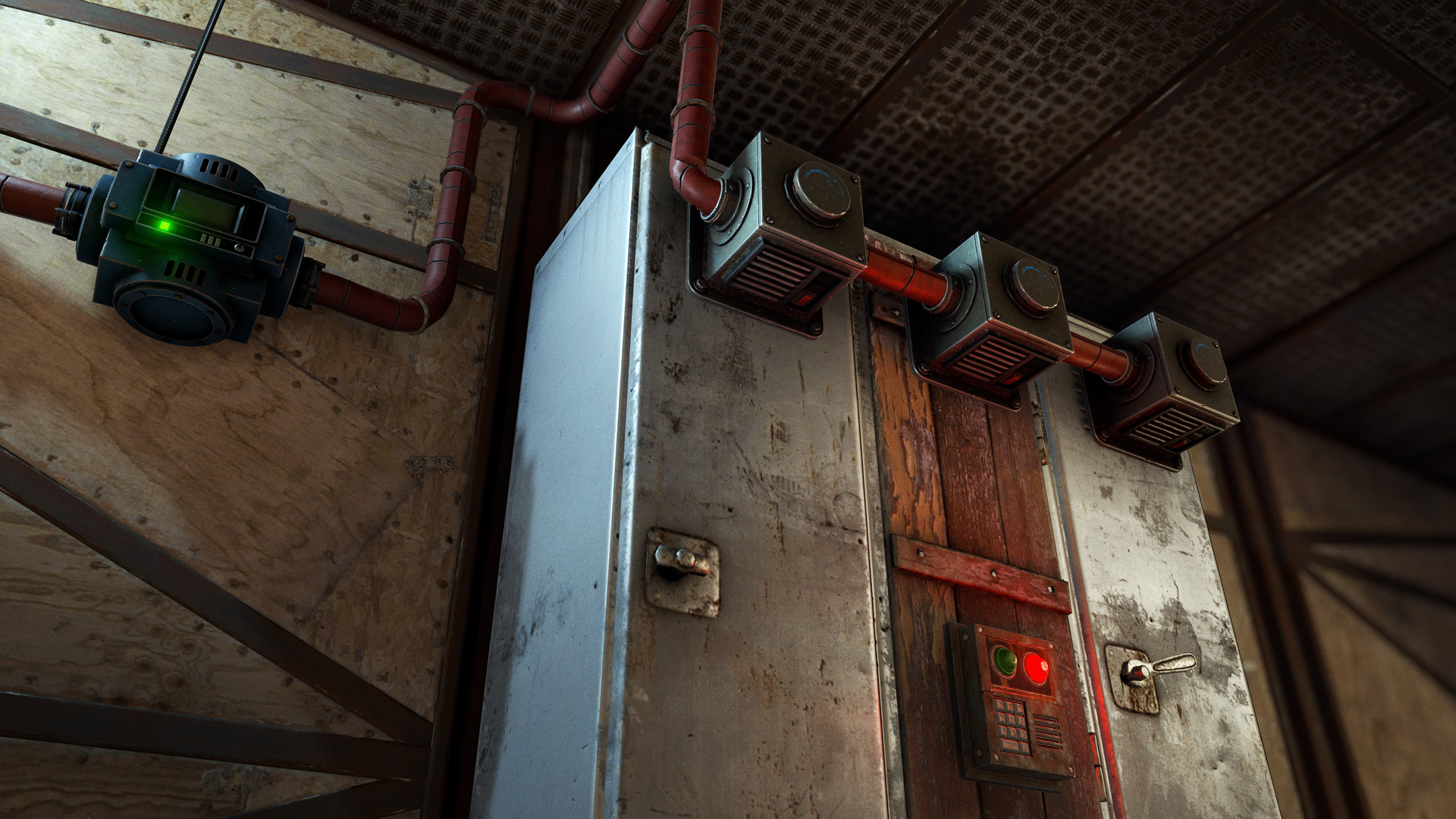
The Industrial Combiner merges incoming industrial routes into one outgoing route. It does not turn every source into a priority queue or filter the merged inventory by itself. Keep the next conveyor’s item policy explicit and avoid routing the output back into its own supply path.
Published October 18, 2026 · Developer revisions and current item references reviewed

Build the smallest useful test first
- Draw the source containers and the one intended destination as arrows before connecting them.
- Test each source through the combiner separately with an identifiable item. Confirm direction before opening all inputs.
- Enable the combined route and apply the intended item filter at the appropriate conveyor.
- Check whether any destination can feed back into the same input network. Remove unintended return paths before expanding storage.
A controlled example
Three supply boxes feeding one manufacturing intake is a merge problem. One supply box feeding three receivers is a split problem. These can look similar on a crowded wall, but the arrows are reversed. Label the source side and destination side so a later maintenance change does not silently reverse the intended job.
Make the system serve the actual goal
A merged route can obscure ownership of ingredients. If one source is meant to be a protected manual-crafting reserve, do not expose it to an unrestricted downstream consumer merely because the combiner makes access convenient. Decide where the reserve is enforced, then test that boundary with a small amount of expendable stock.
Match the symptom to the next check
| What you see | What to check |
|---|---|
| Only one source contributes | Test each input path independently and compare available matching stock. |
| Supplies circulate instead of accumulating | Trace a complete route from output back to input; remove the return path. |
| My reserve disappears | The merge does not itself define a protected source quantity. Inspect the conveyor policy governing extraction. |
Version and setup limits
This is a routing and isolation method, not a measured throughput claim. No universal source-priority order is assumed.
Keep a note of the server and the one setting changed between observations. A modified server can differ from the default design; a historical demonstration is not a measurement of the installation in front of you. Restore the full line in stages after the isolated test works, checking the destination stock after each stage rather than assuming every new connection preserves the result.
Sources
Retrieved October 18, 2026. The troubleshooting order and arithmetic examples are independently written editorial guidance, not a personal gameplay test or a guaranteed server result.