Rust
Rust guides
Build a working supply chain, then isolate filter, crafting, routing and power failures.
Filters & transfer controls
 Guide
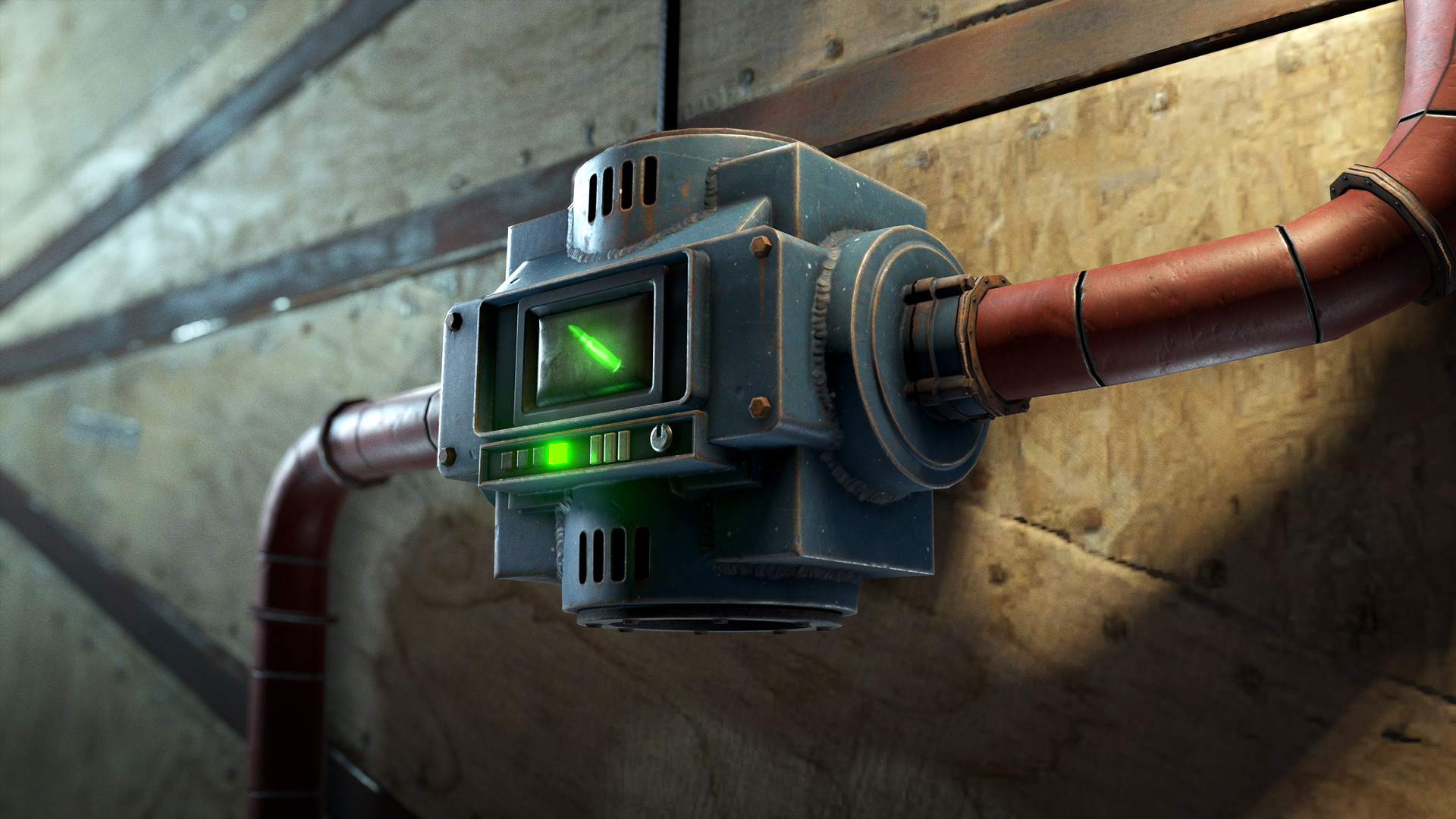
GuideRust Conveyor Min, Max and Buffer: Keep a Reserve Without Stalling Transfers
Separate source reserves, destination caps and batch thresholds. Use a small inventory test before connecting the full production line.
 Guide
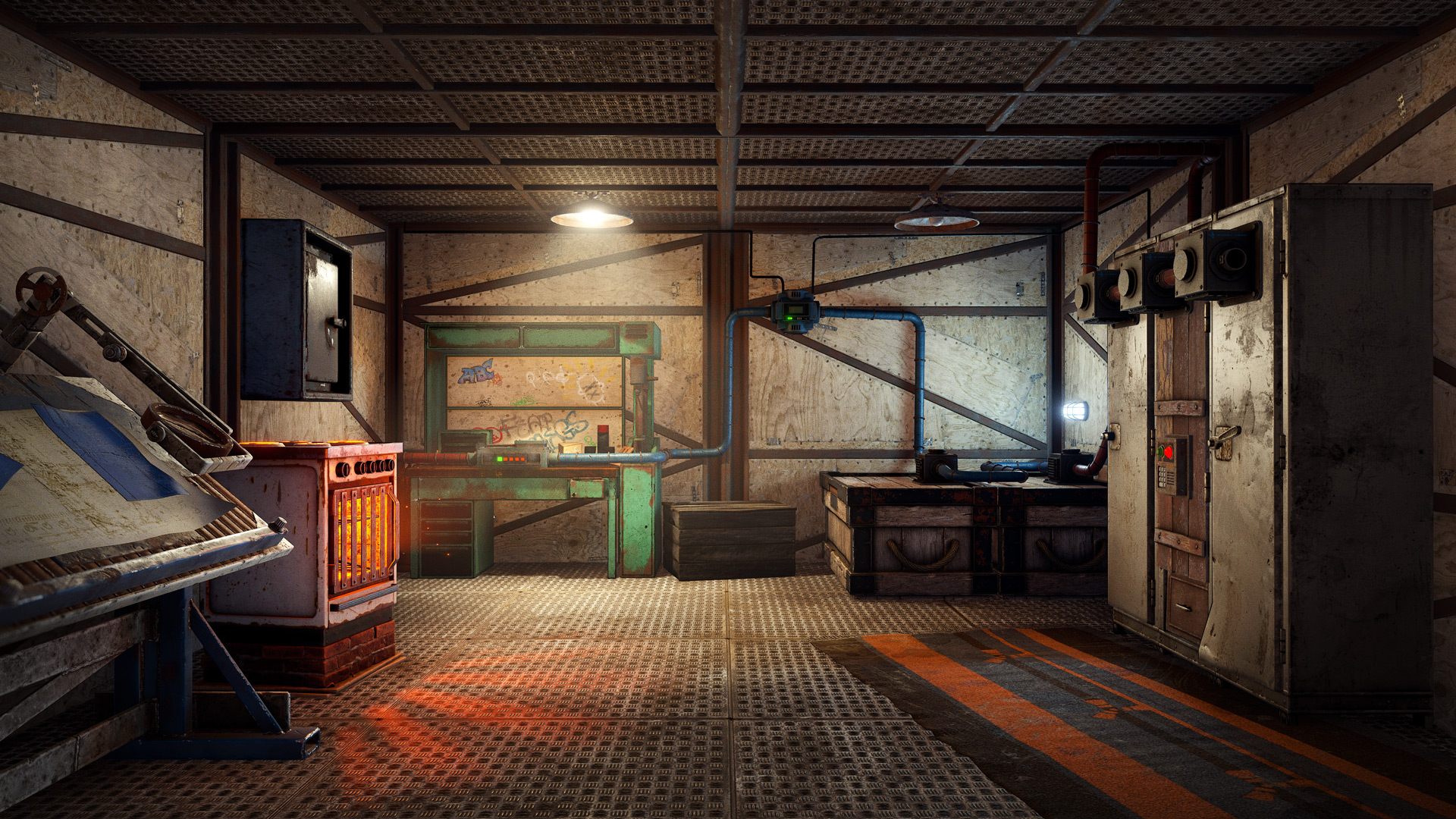
GuideRust Conveyor Any, All or None: Choose the Filter Logic Your Sorting Room Needs
Pick an allow-list, a combined condition or an exclusion rule; avoid treating filter modes as interchangeable sorting presets.
 Guide
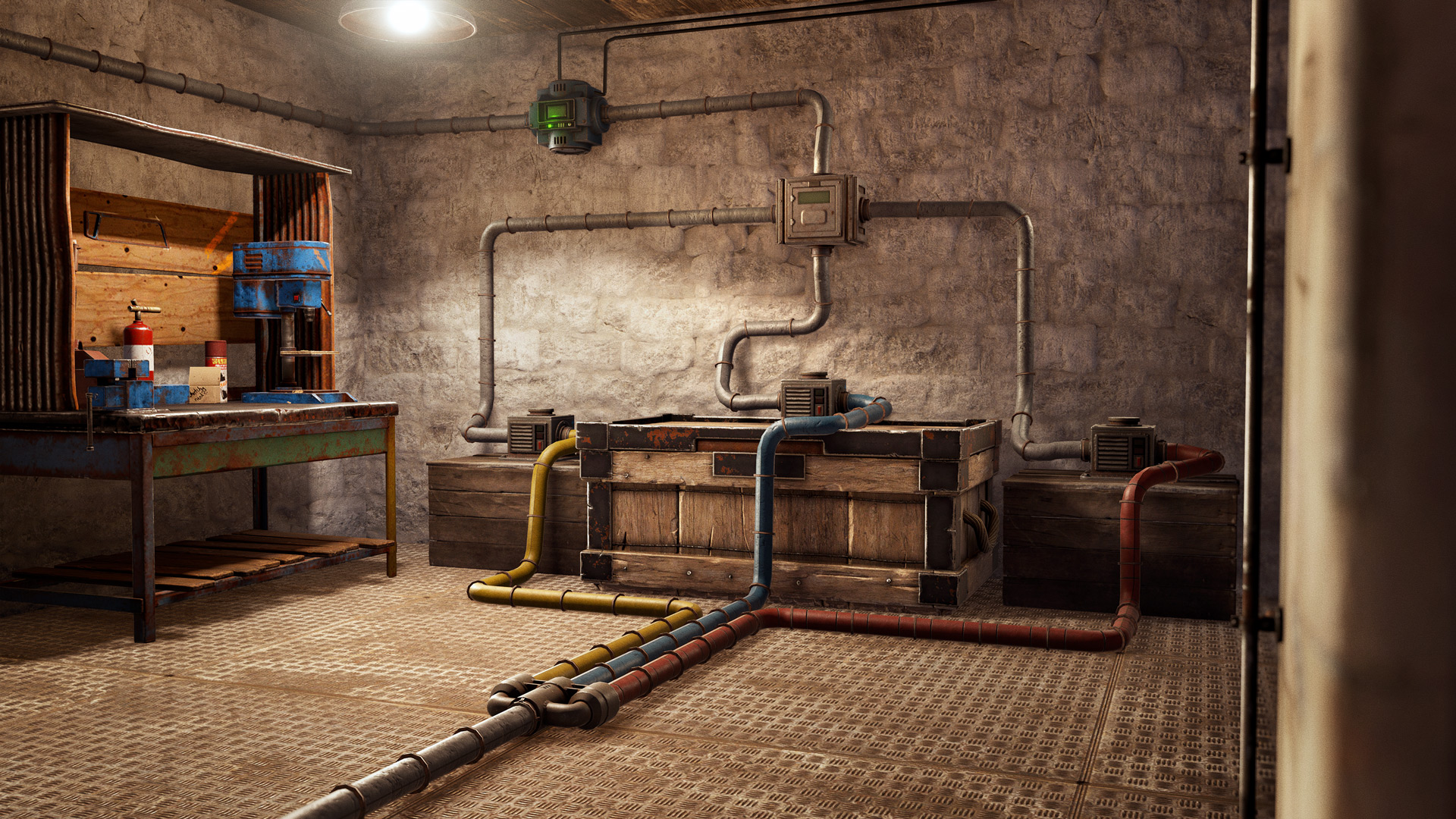
GuideRust Conveyor Filter Pass and Filter Fail: Read the Signal Without Assuming Delivery
Separate a conveyor’s electrical filter-state output from item transport and from the inventory count you actually care about.
Crafting & smelting
 Guide
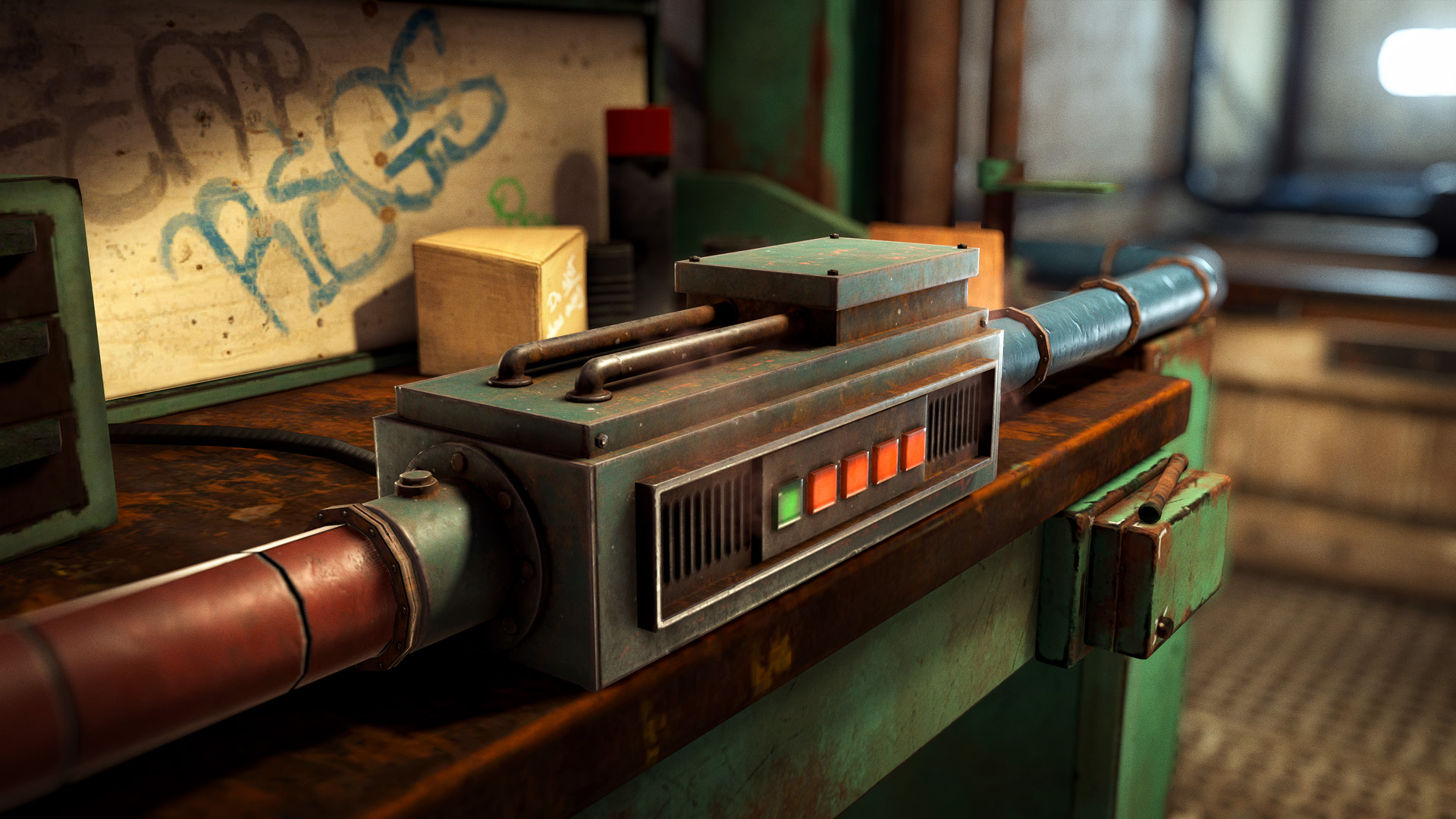
GuideRust Industrial Crafter Not Making the Right Item: Blueprint Order and Output Checks
Trace workbench eligibility, blueprint priority, ingredients and output capacity before rebuilding an automatic crafting line.
 Guide
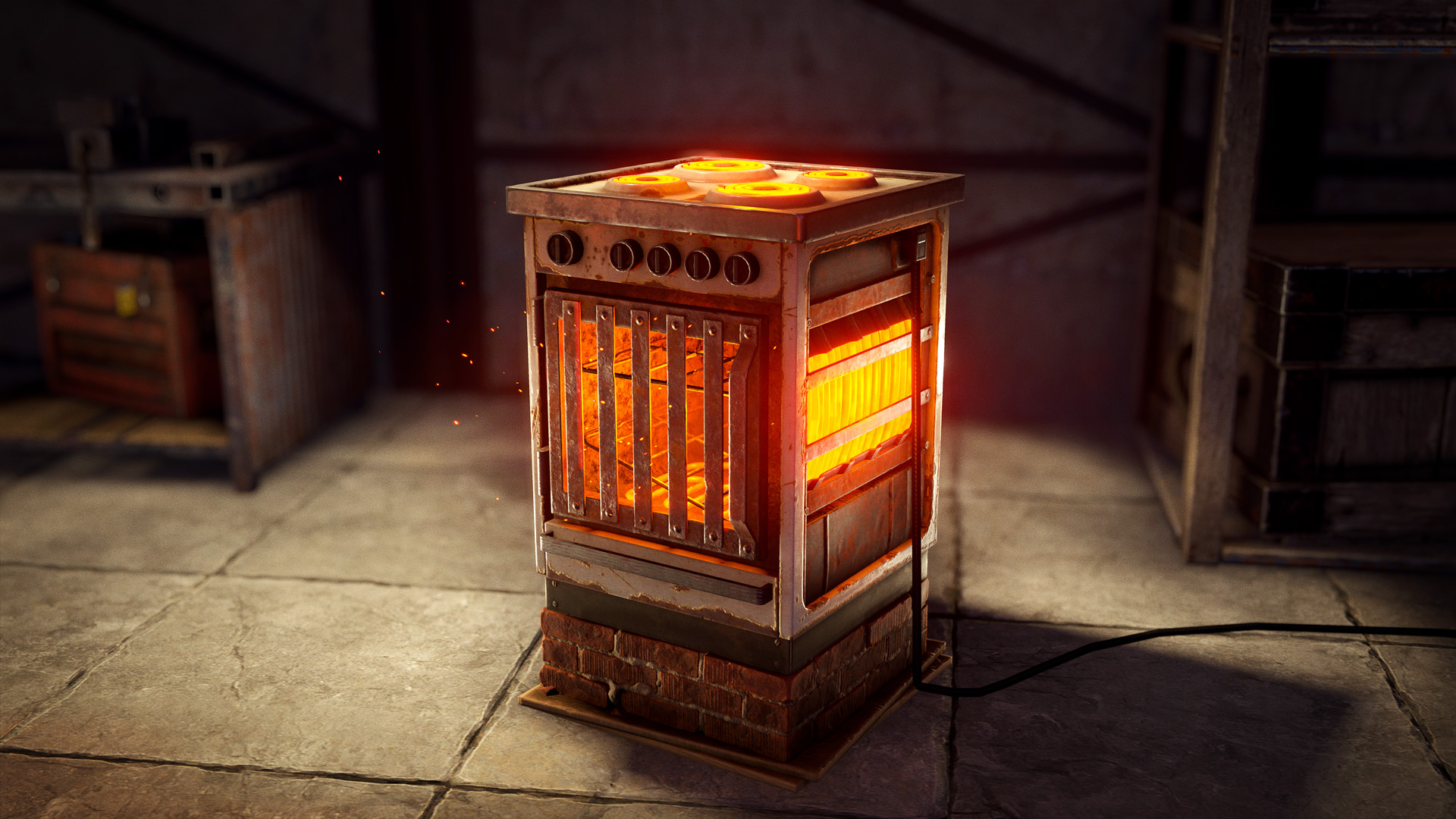
GuideRust Electric Furnace Makes No Charcoal: Build Separate Smelting and Fuel Plans
An electric smelting line needs power, ore flow and result storage; it does not replace a separate charcoal-producing process.
Storage & pipe routing
 Guide
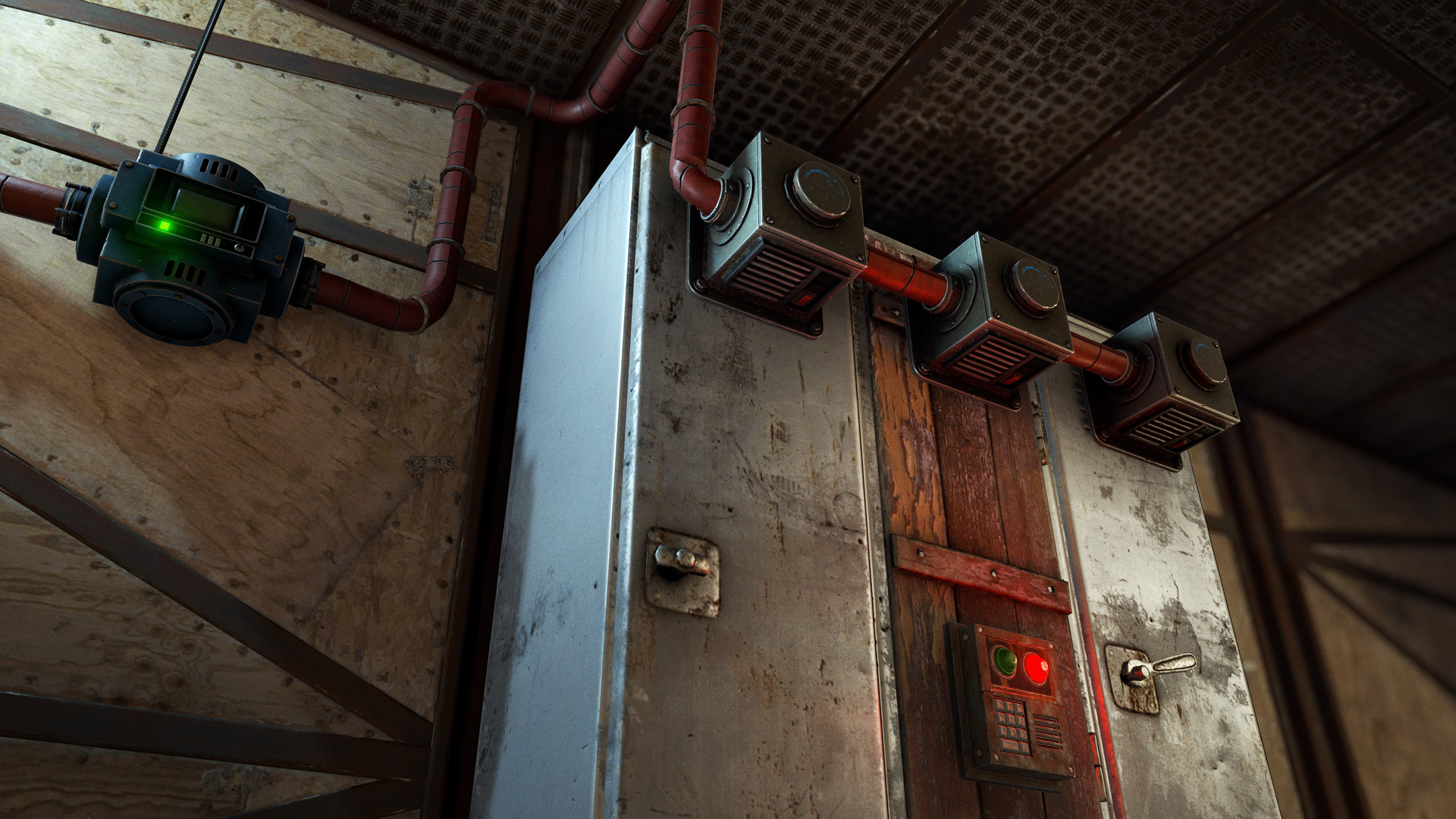
GuideRust Locker Automation Only Reaches One Compartment: Check the Storage Adaptor
A locker adaptor targets a partition. Verify each compartment and its direction before assuming your conveyor filter lost equipment.
 Guide
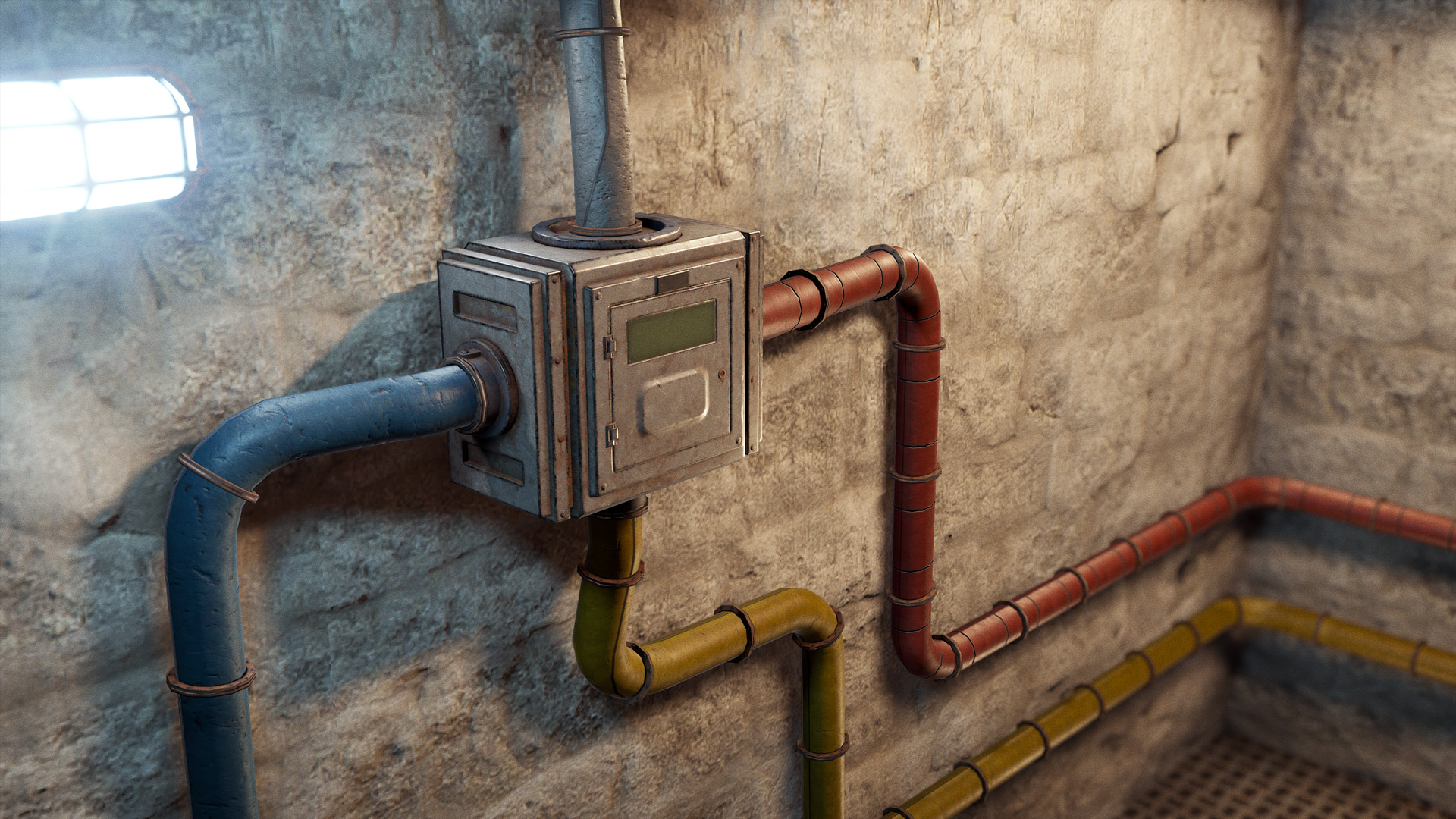
GuideRust Industrial Splitter: Share Supplies Without Mistaking It for Priority Storage
A splitter fans an industrial route into three paths. Test eligible destinations before relying on an equal-distribution assumption.
 Guide
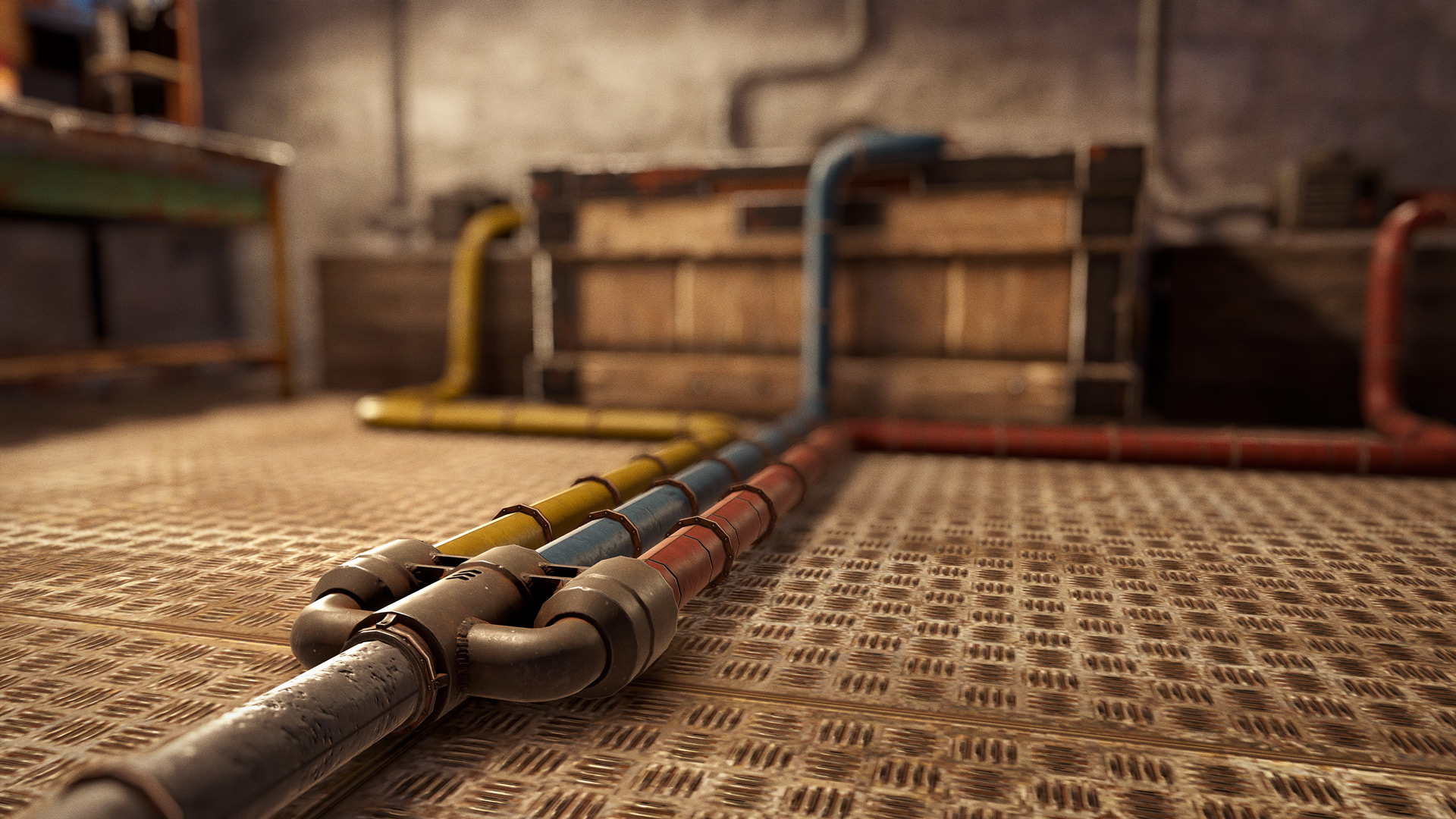
GuideRust Industrial Combiner: Merge Input Routes Without Creating a Sorting Loop
Use a combiner for many-to-one routing, then control what leaves the merged line with a deliberate conveyor and destination policy.
 Guide
GuideRust Pipe Tool Cannot Connect Through a Wall: Route Ports and Corners Correctly
Trace industrial ports and physical obstacles separately. Use deliberate corner points instead of rebuilding a working electrical circuit.